Granite vs Marble Countertops: Which Is Right for Your Home?

Granite and marble are two of the most recognizable natural stone materials used in homes, and both can create countertops that feel substantial, timeless, and unique. Because each slab is formed naturally, no two installations are exactly alike, which gives homeowners an opportunity to choose stone that complements the colors, patterns, and overall character of their space.

Although granite and marble share some similarities, they perform differently once installed. Granite is generally favored for its durability and lower-maintenance performance, while marble is prized for its elegant veining and distinctive appearance. Understanding those differences can make it easier to decide which material better fits your kitchen, bathroom, or other surface.

What Is Granite?

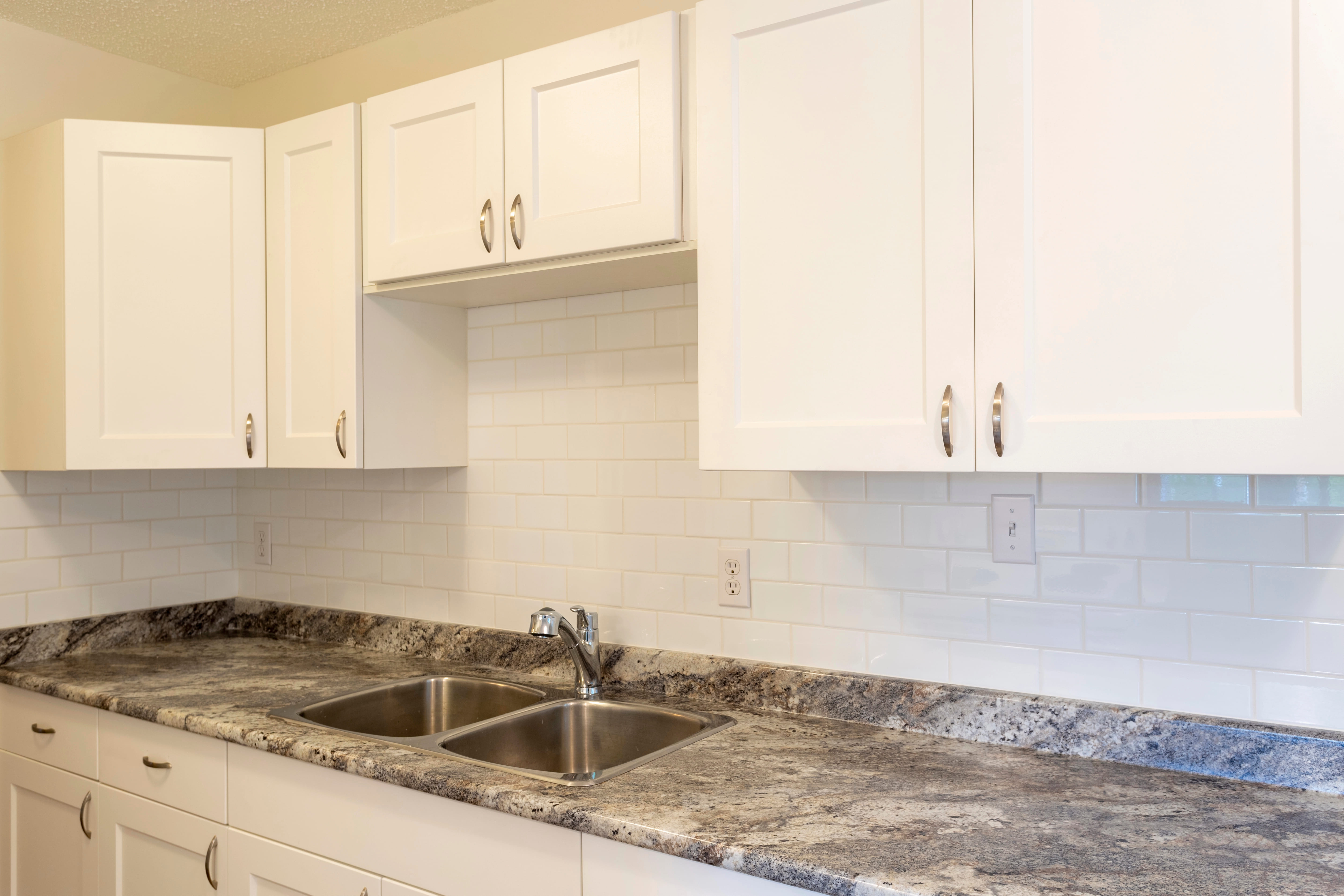
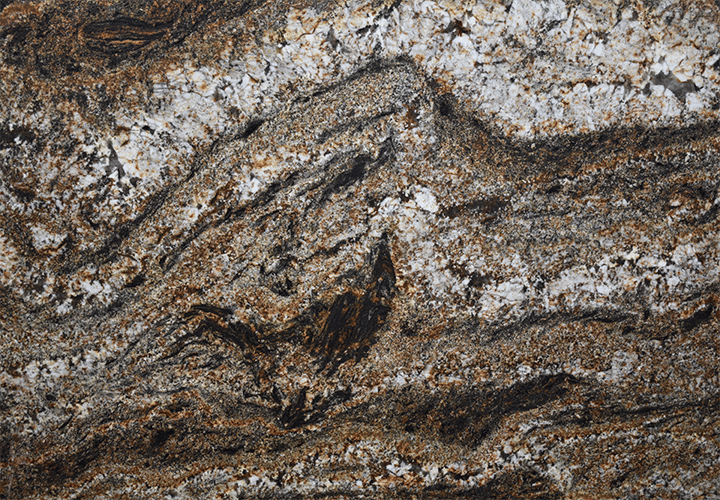
Granite is a natural igneous stone formed from cooled magma beneath the earth's surface. It contains minerals such as quartz and feldspar, which contribute to its strength as well as the speckled, flowing, or crystalline patterns found throughout individual slabs. Colors range widely, from whites and grays to blacks, browns, reds, and more dramatic multicolored combinations.

One of the main reasons homeowners choose granite is its durability. Properly installed and maintained granite can handle the daily demands of a busy kitchen, including regular food preparation, heavy cookware, and exposure to moderate heat. It is also resistant to scratching compared with many softer countertop materials, although cutting boards should still be used to protect both the stone and your knives.

For homeowners who want a natural stone surface without committing to especially intensive maintenance, granite countertops are often a practical option for kitchens, bathrooms, bars, and other frequently used areas.

What Is Marble?

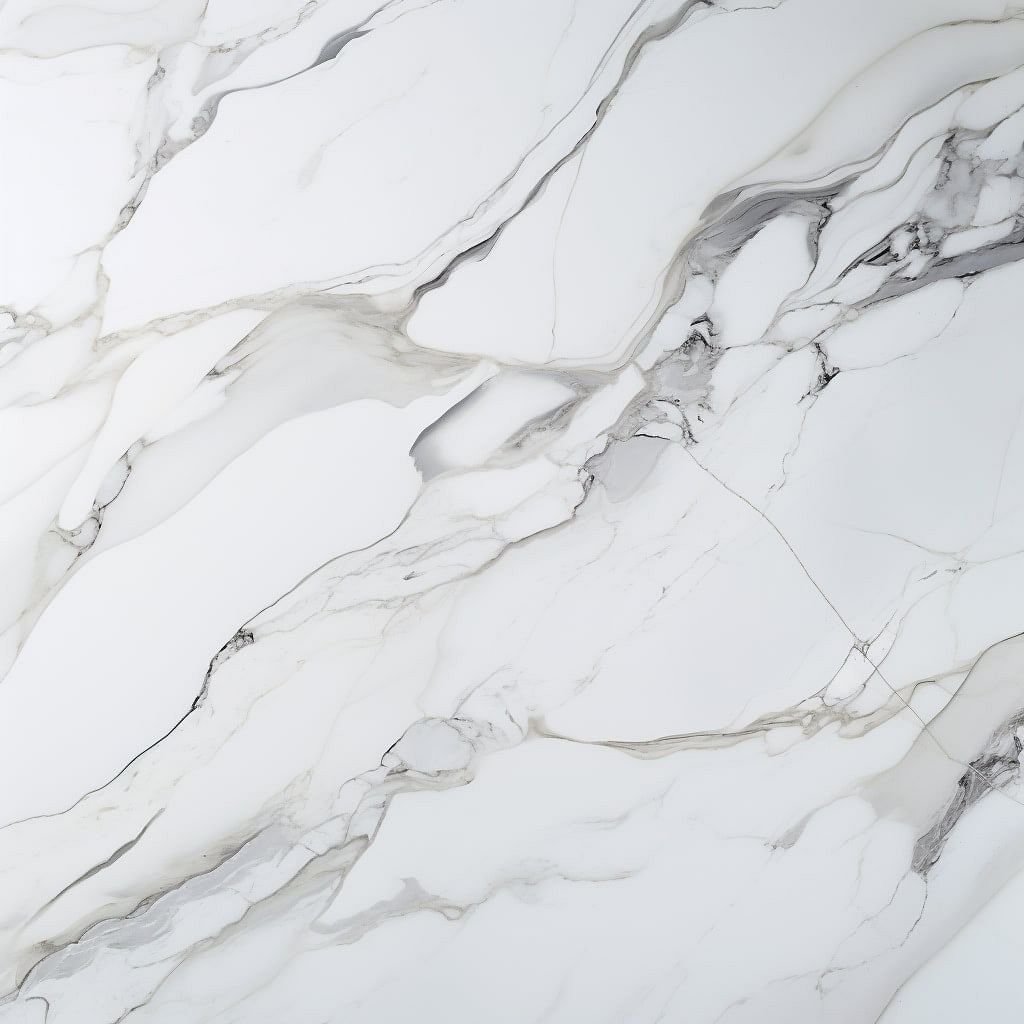
Marble is a metamorphic stone created when limestone is subjected to heat and pressure over long periods. This process produces the soft movement and veining that have made marble a popular material in architecture and interior design for centuries.

While some marble varieties have bold, dramatic veins, others offer subtle movement against white, cream, gray, beige, or darker backgrounds. The appearance tends to feel softer and more fluid than granite, making marble particularly appealing when the countertop itself is intended to serve as a visual focal point.

Marble is softer and more porous than granite, however, which means it requires somewhat more care. Acids found in foods and drinks such as lemon juice, vinegar, and wine can react with the calcium carbonate in marble and create dull areas known as etching. Spills can also penetrate the stone if they are allowed to remain on the surface.

These characteristics do not necessarily make marble countertops unsuitable for everyday use. They simply mean homeowners should understand how the material naturally changes over time and whether that developing patina fits their expectations.

Granite vs Marble: Key Differences

Appearance

The most noticeable difference between granite and marble is usually their appearance. Granite often contains visible grains, flecks, mineral deposits, and variations in color. Depending on the slab, the pattern can be relatively uniform or highly dramatic.

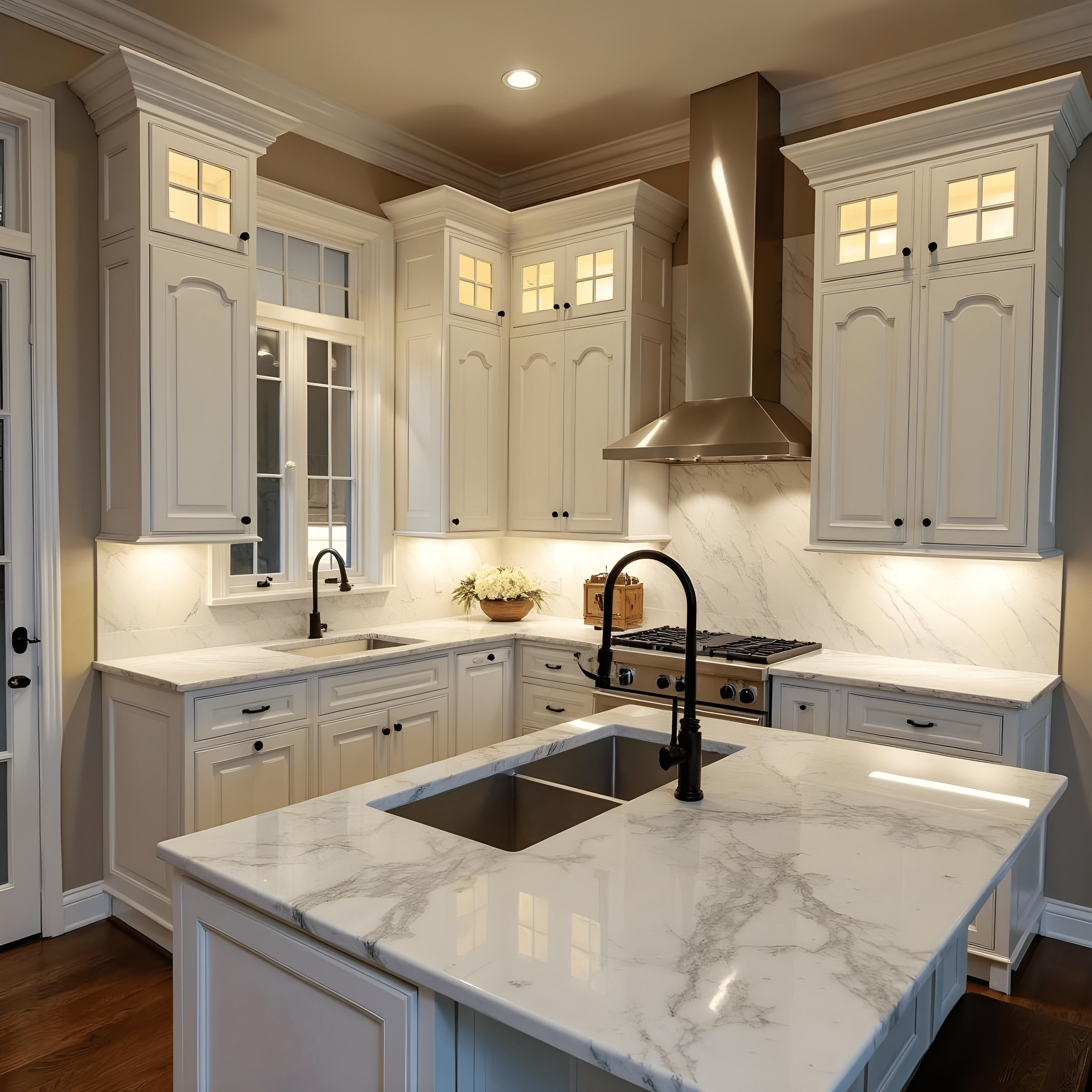
Marble is best known for its veining. Rather than the granular appearance commonly associated with granite, marble typically has sweeping lines, clouds, or veins running through the stone.

Neither appearance is inherently better. The right option depends on the surrounding cabinetry, flooring, backsplash, lighting, and overall design of the room.

Durability

Granite is generally harder than marble and tends to stand up better to scratches, chips, and everyday kitchen activity. That makes it especially attractive for households where countertops receive constant use.

Marble remains a durable building material, but its softer composition means it can scratch and etch more easily. Homeowners who want marble in a heavily used kitchen should be comfortable taking additional precautions and accepting that the surface may gradually show signs of use.

Maintenance

Both stones should be cleaned using products that are appropriate for natural stone. Harsh or acidic household cleaners can damage certain finishes and should generally be avoided.

Natural stone may also require periodic sealing, although the appropriate schedule depends on the specific slab, its porosity, how heavily the surface is used, and the sealer applied during installation. Granite usually provides homeowners with a little more forgiveness, while marble often benefits from more attentive spill cleanup and routine care.

Heat and Stain Resistance

Granite performs well around heat, which is one reason it has become so common in kitchens. Natural stone can still experience thermal shock under extreme temperature changes, so using trivets beneath very hot cookware remains a sensible precaution.

Marble also tolerates heat, but staining and etching tend to be larger concerns than temperature. Coffee, wine, oils, citrus, tomato products, and other strongly colored or acidic substances should be cleaned promptly.

Granite can stain as well, particularly if the stone is especially porous or its sealer has deteriorated. Neither material should be treated as completely stainproof.

Find Your Stone:

Granite vs Marble Cost Comparison

The cost of granite and marble varies considerably because natural stone is not a standardized product. Slab rarity, quarry location, color, pattern, thickness, finish, fabrication requirements, countertop layout, edge details, and installation complexity can all affect the final price.

Some readily available granite selections can be relatively economical compared with rarer natural stones, while exotic granite slabs with unusual movement or coloration can cost substantially more. Marble follows a similar pattern. Common varieties may fit comfortably within many remodeling budgets, while distinctive imported or heavily veined slabs can command higher prices.

Long-term maintenance should also be part of the comparison. Granite's harder surface may require fewer precautions in busy areas, while marble owners may choose to invest more time in sealing, cleaning, refinishing, or addressing etching as the surface ages.

For that reason, comparing only the initial price per square foot does not tell the entire story. The better approach is to compare individual slabs and obtain an estimate based on the dimensions and fabrication requirements of your project.
Where Do 
Granite and Marble 
Work Best?

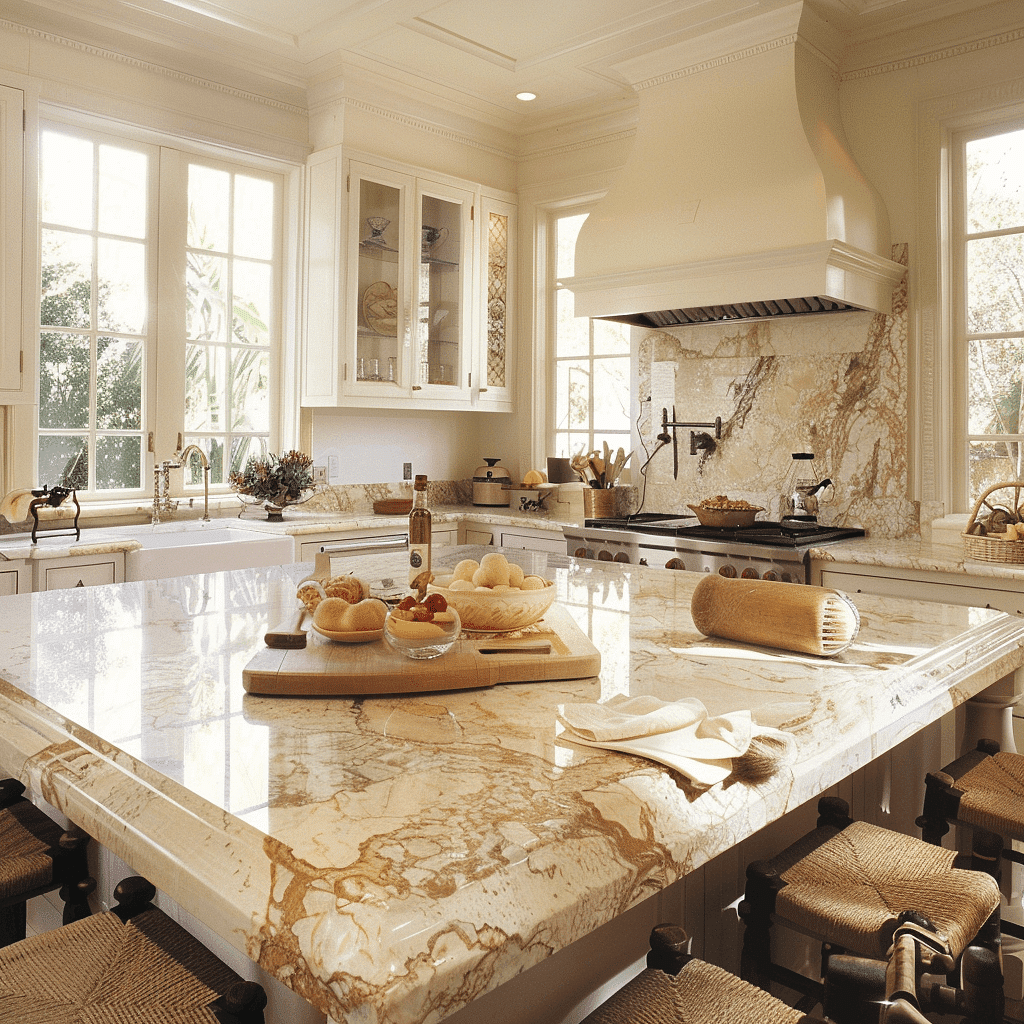
Granite is particularly well suited to kitchens and other high-traffic areas where durability is a priority. Kitchen islands, perimeter counters, outdoor entertaining areas where the chosen stone is suitable for exterior conditions, bathroom vanities, and bar tops can all be strong candidates.

Marble is commonly chosen for bathroom vanities, fireplace surrounds, decorative surfaces, and kitchens where homeowners value its appearance enough to accept the additional care. It can also be an excellent option for areas that receive less exposure to acidic foods and heavy daily activity.

The intended use of the room matters just as much as its appearance. A household that cooks multiple meals every day may prioritize resistance to scratching and staining, while someone remodeling a primary bathroom may place greater emphasis on the distinctive movement of a marble slab.

Granite and Marble Pros and Cons

Granite Countertops

Granite offers a strong combination of natural beauty and practical performance. It is hard, heat resistant, available in a wide variety of colors, and generally capable of handling demanding household environments. With reasonable care, it can remain attractive for many years.

The main considerations are that granite still requires proper cleaning and may require sealing depending on the stone. Because patterns vary naturally, homeowners should also select their actual slab whenever possible rather than relying entirely on a small sample.

Marble Countertops

Marble's primary advantage is its unmistakable appearance. Natural veining gives every slab its own character, and the material can work equally well with traditional, transitional, and contemporary interiors.

Its greater sensitivity is the tradeoff. Marble can etch when exposed to acidic substances, and it is generally more susceptible to scratches and staining than granite. Some homeowners appreciate the patina that develops as marble ages, while others prefer countertops that maintain a more consistent finish. Understanding which group you fall into before installation can prevent disappointment later.

Which Should You Choose?

When to Choose Granite

Choose granite when durability, easier maintenance, and resistance to everyday wear are among your highest priorities. It is particularly useful for busy kitchens where countertops are constantly being used for cooking, entertaining, and daily household tasks.

When to Choose Marble

Choose marble when the appearance of the stone is the leading consideration and you are comfortable giving the surface a little more attention. Its natural veining can create a look that is difficult to reproduce with other materials, especially when a large island or vanity is intended to become the centerpiece of the room.

Making the Choice

There is also no rule requiring every countertop in a home to use the same material. Some designs combine granite in heavily used kitchen areas with marble in bathrooms, bars, or decorative spaces where the stone receives lighter use.

The best way to make the final decision is to see full slabs in person. Photographs and small samples can provide general guidance, but natural stone often contains movement, color variations, and details that become much more apparent at full scale.

Explore Granite and Marble at The Stone Gallery

The Stone Gallery can help you compare granite and marble based on your design preferences, lifestyle, and the demands of the room you are remodeling. Seeing different slabs side by side makes it easier to evaluate their color, movement, texture, and overall character before deciding which stone belongs in your home.

Browse our selection of granite and marble options, explore possibilities for granite countertops and marble countertops, or request a consultation with The Stone Gallery to begin planning your project.

More Than Just Stone & Cabinetry

Tile For Every Use

The Stone Gallery is more than just natural stone and cabinetry; we also offer a full array of marble tiles and mosaics. We carry many options from travertine to porcelain, glass, ceramics, cement and terracotta, waterjet tiles, and decor for any custom marble tile project. We carry  dozens of tile options, come see these in person!

Find Out More

Protect Your Investment

Natural stones used for counter tops or bathroom walls and floors create an air of luxury in & around your home or business place. Cleaning natural stone is important for maintaining the appearance and longevity of the stone. We carry a whole line of stone care and cleaning products created specifically for the care and maintenance of natural stone.

Find Out More

Request a Countertop Installation Consultation

Ready to upgrade your space with professionally installed countertops? Request a consultation with The Stone Gallery today to review your project, explore available materials, and take the next step toward a finished surface that fits your home beautifully.