Granite vs Quartz Countertops: Which Is Right for Your Home?

Granite and quartz are two of the most popular countertop materials available, and both offer an attractive combination of durability and style. However, they differ in appearance, maintenance requirements, heat resistance, and overall construction. Understanding those differences can help you select the material that fits your home, lifestyle, and design preferences.

What Is Granite?

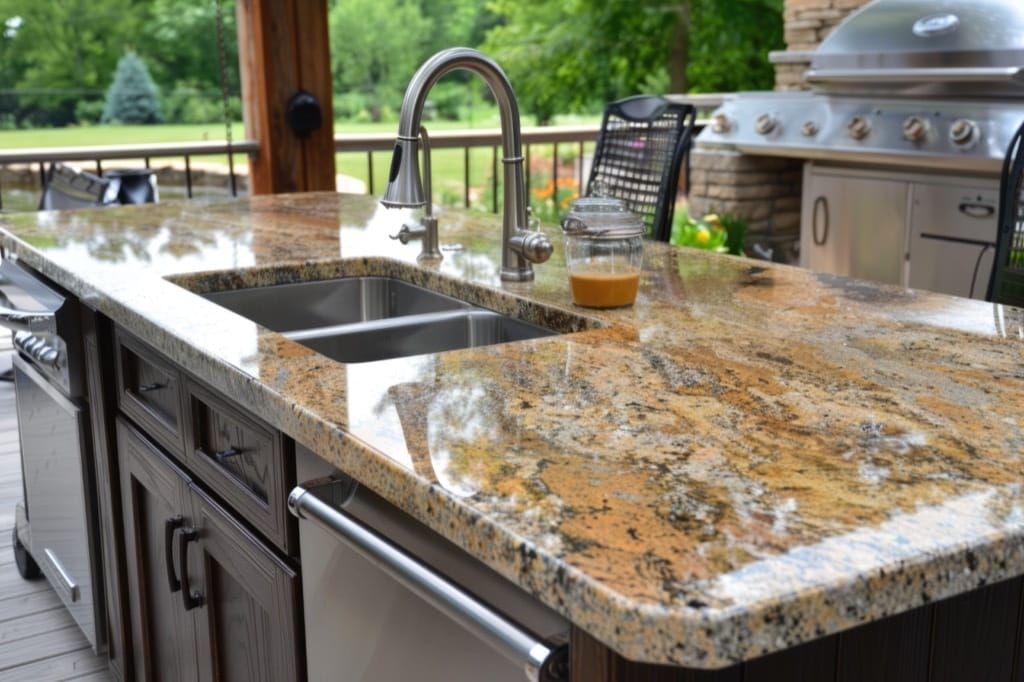
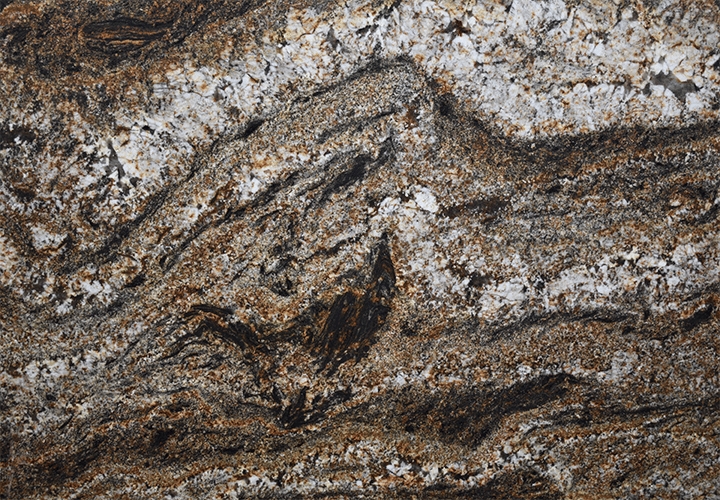
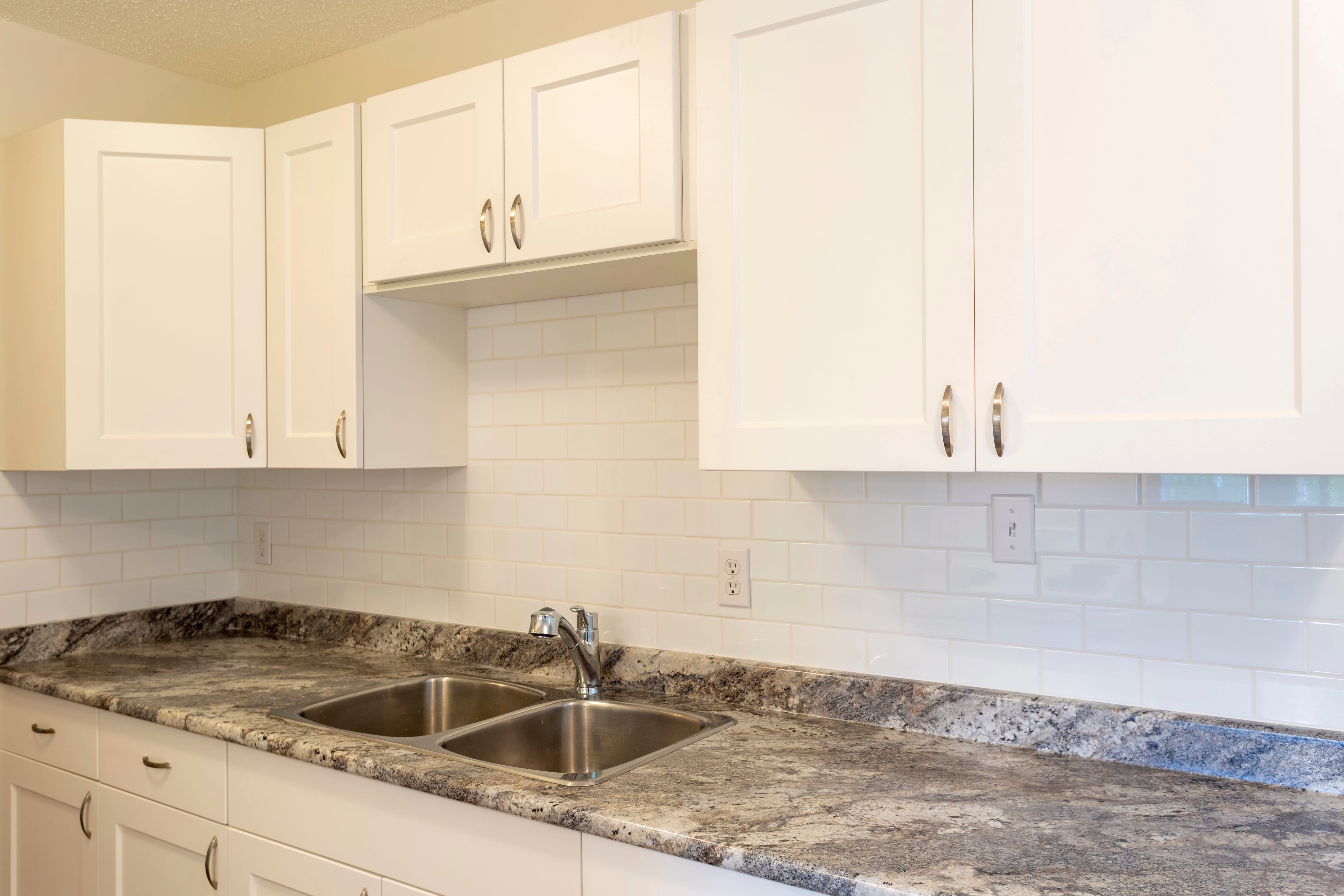
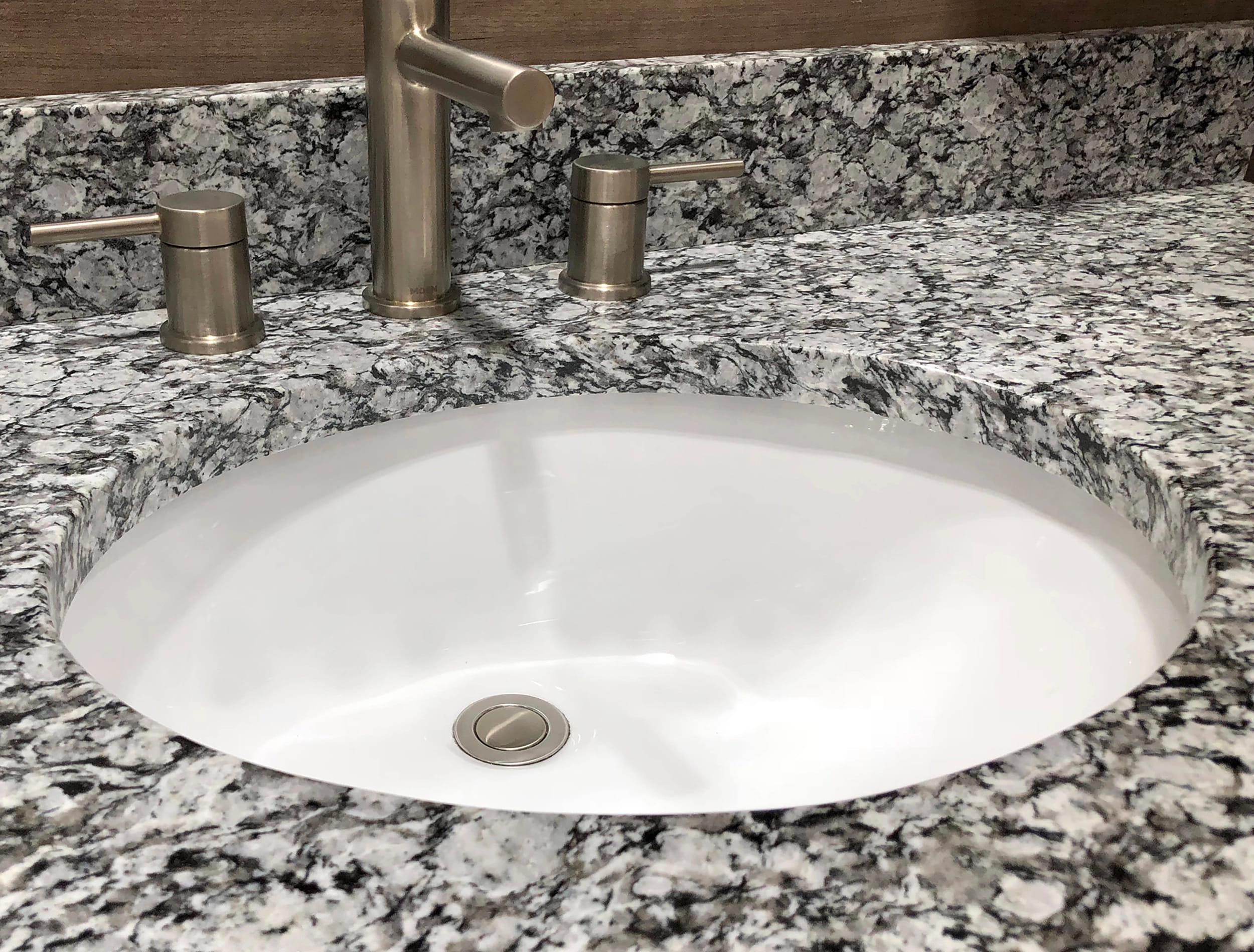
Granite is a natural stone that is quarried from the earth in large blocks before being cut into slabs. Each slab contains its own arrangement of colors, mineral deposits, veining, and movement, which means no two granite countertops look exactly alike.

Homeowners often choose granite because it creates a distinctive, high-end appearance. Depending on the slab, granite may feature subtle speckles, dramatic veins, or bold variations in color that make the countertop a focal point within the room.

Advantages of Granite Countertops

Granite is a hard and durable material that can withstand the demands of an active household. When installed and maintained properly, a granite countertop can remain in excellent condition for decades.

The stone also offers strong heat resistance. A warm pan is unlikely to damage granite immediately, although using trivets or protective pads is still recommended to prevent thermal shock and protect the countertop’s sealer.

Potential Drawbacks of Granite

Because granite is naturally porous, it generally needs to be sealed to help prevent moisture, oils, and food residue from penetrating the surface. Sealing requirements vary depending on the specific stone and sealer, but homeowners should expect some periodic maintenance.

The natural variation that makes granite attractive can also make matching slabs more difficult. Large countertops may require multiple slabs, and the seams or pattern changes can be more noticeable when the stone has dramatic movement.

What Is Quartz?

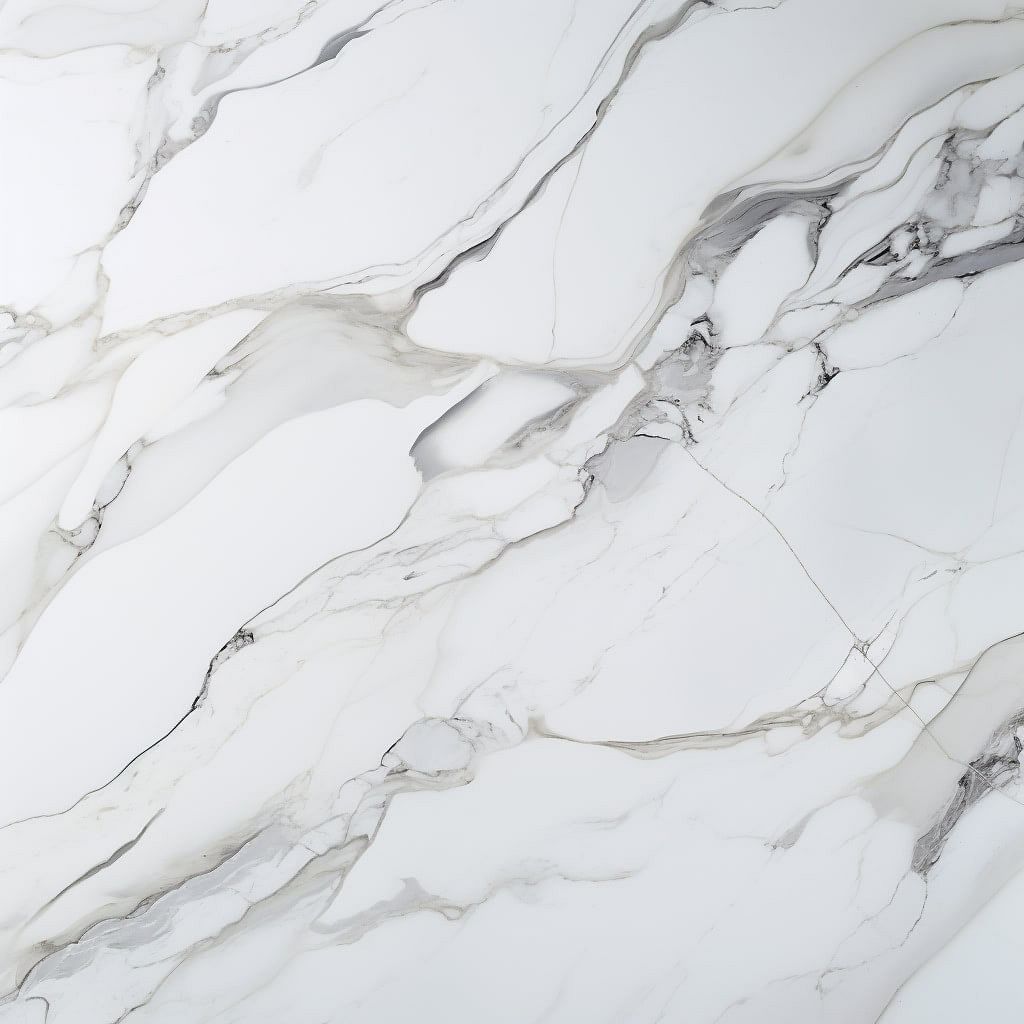
Quartz countertops are engineered surfaces made from crushed natural quartz minerals combined with resins, pigments, and other materials. Although quartz contains natural stone, the manufacturing process allows producers to control its color, pattern, and overall appearance.

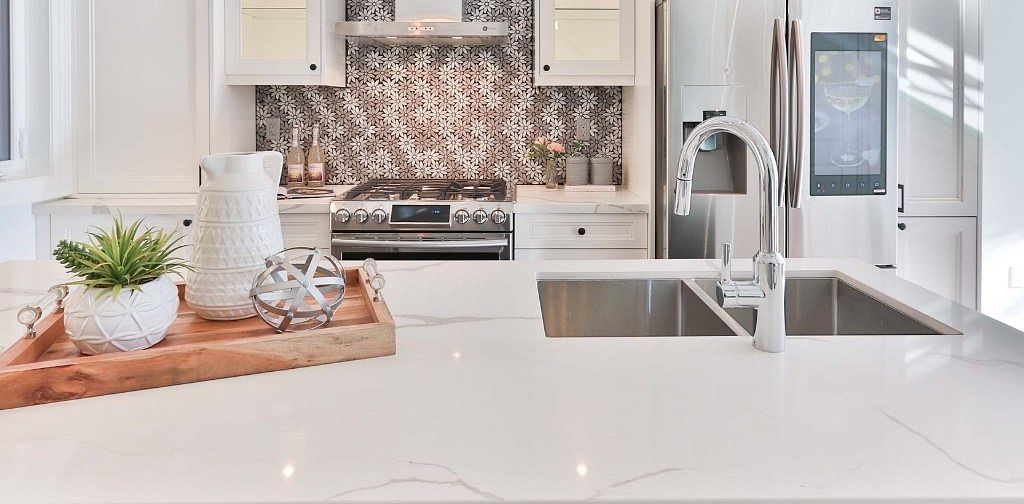
This engineered construction gives quartz a more uniform look than most natural stone. Homeowners can choose from simple solid colors, subtle patterns, or designs created to resemble marble, granite, or other premium materials.

Advantages of Quartz Countertops

Quartz is nonporous, which means it does not typically require sealing. Its surface is resistant to moisture and staining, making it a practical option for busy kitchens, bathrooms, and households that prefer minimal maintenance.

The controlled manufacturing process also provides greater consistency between slabs. This can be useful when covering a large island, matching countertops throughout several rooms, or creating a clean, coordinated design.

Potential Drawbacks of Quartz

Quartz is not as heat resistant as granite because the resins used in its construction can be damaged by high temperatures. Placing a hot pan, baking sheet, or heated appliance directly on the countertop may cause discoloration, warping, or other permanent damage.

Direct sunlight can also affect some quartz products over time. Prolonged ultraviolet exposure may cause fading or uneven coloration, which can make quartz less suitable for certain outdoor kitchens or extremely sunny areas.

Granite vs. Quartz: Key Differences

Both materials can provide durable, attractive countertops, but their differences may make one option more appropriate for your home.

Appearance

Granite

Granite offers a naturally varied appearance shaped by the minerals and geological conditions in which the stone formed. Every slab is unique, making granite a strong choice for homeowners who appreciate organic patterns and one-of-a-kind materials.

Quartz

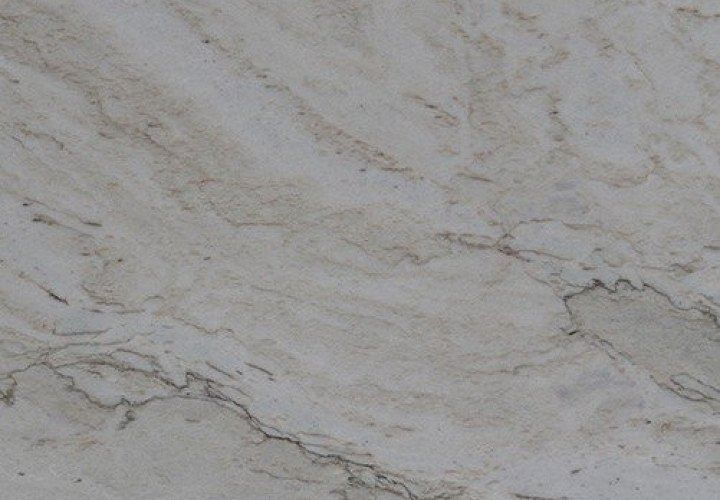
Quartz offers a more controlled appearance. Its colors and patterns tend to be consistent, which makes it easier to coordinate with cabinets, flooring, backsplashes, and other design elements.

Durability

Granite and quartz are both durable enough for everyday residential use. Granite is highly resistant to scratching and heat, while quartz provides excellent resistance to stains, moisture, and routine wear.

Neither material is indestructible. Heavy impacts can chip an edge, and excessive force may crack either surface. Proper installation and reasonable care are important regardless of which material you select.

Maintenance

Granite

Granite requires slightly more maintenance because its porous surface may need periodic sealing. Spills should be cleaned promptly, especially when they involve oils, wine, coffee, or acidic ingredients.

Quartz

Quartz is generally easier to maintain because it does not require sealing. Regular cleaning with mild soap and water is usually enough to keep the surface looking clean and polished.

Heat Resistance

Granite

Granite provides better resistance to high temperatures and is often preferred by homeowners who cook frequently. Even so, trivets and heat-resistant pads should still be used whenever possible.

Quartz

Quartz is more sensitive to heat because high temperatures can affect the resins holding the material together. Homeowners should always place a protective barrier beneath hot cookware, countertop ovens, slow cookers, and other heat-producing appliances.

Find Your Stone:

Granite and Quartz Cost Comparison

Granite and quartz are both premium countertop materials, and their prices frequently overlap. In many projects, either option may cost approximately $50 to $150 or more per square foot when materials and professional installation are included.

Basic granite colors may fall toward the lower end of the range, while rare patterns, exotic colors, and premium slab classifications can cost considerably more. Quartz pricing also varies according to the manufacturer, pattern, thickness, and complexity of the design.

The size and layout of the countertop can have just as much influence on the final price as the material itself. Large islands, waterfall edges, decorative profiles, sink cutouts, unusual angles, and additional seams may all increase fabrication and installation costs.

Removing old countertops, reinforcing cabinets, adjusting plumbing, or completing other preparation work can also affect the total project price. Requesting a detailed estimate based on your selected slab and exact measurements will provide a more accurate comparison.
Best Uses for Granite and Quartz

Granite and quartz can both be used throughout the home, although certain characteristics may make each one better suited to particular rooms.

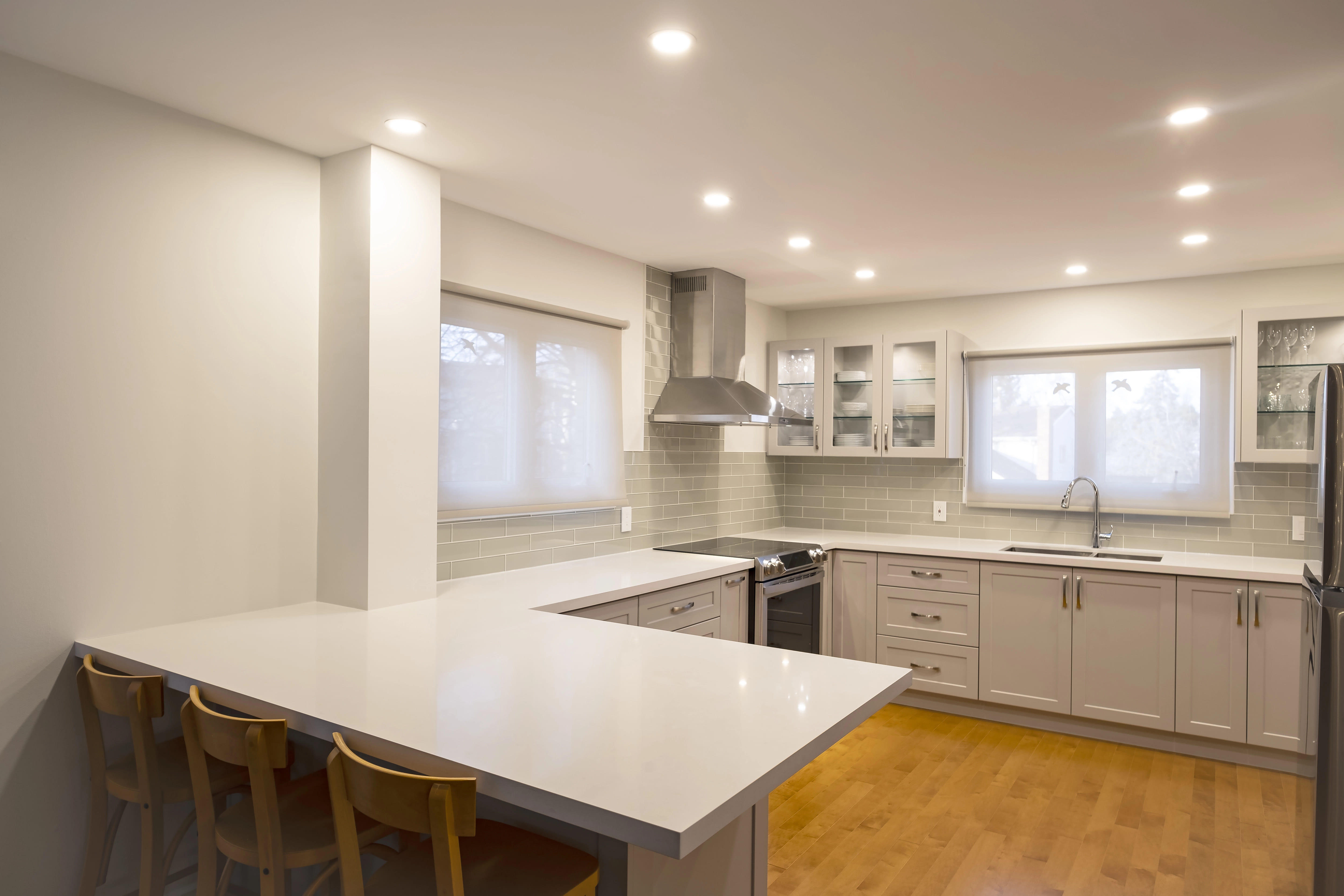
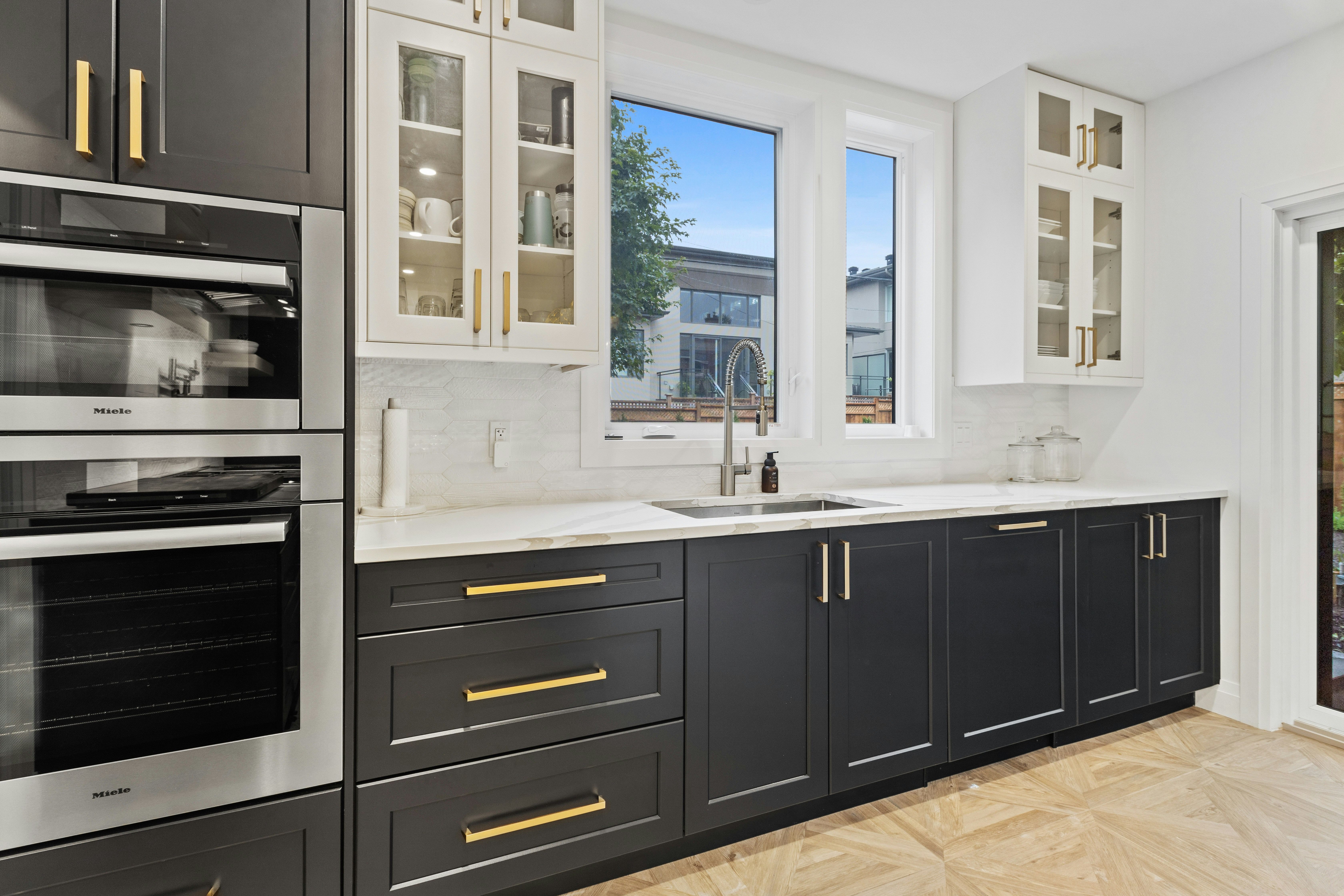
Two-tone kitchen cabinets with white uppers, black lowers, and gold hardware installed by The Stone Gallery in Louisiana

Kitchen Countertops

Granite is an excellent kitchen option for homeowners who enjoy natural stone and want strong heat resistance. Its unique patterns can add character to traditional, transitional, rustic, and luxury kitchen designs.

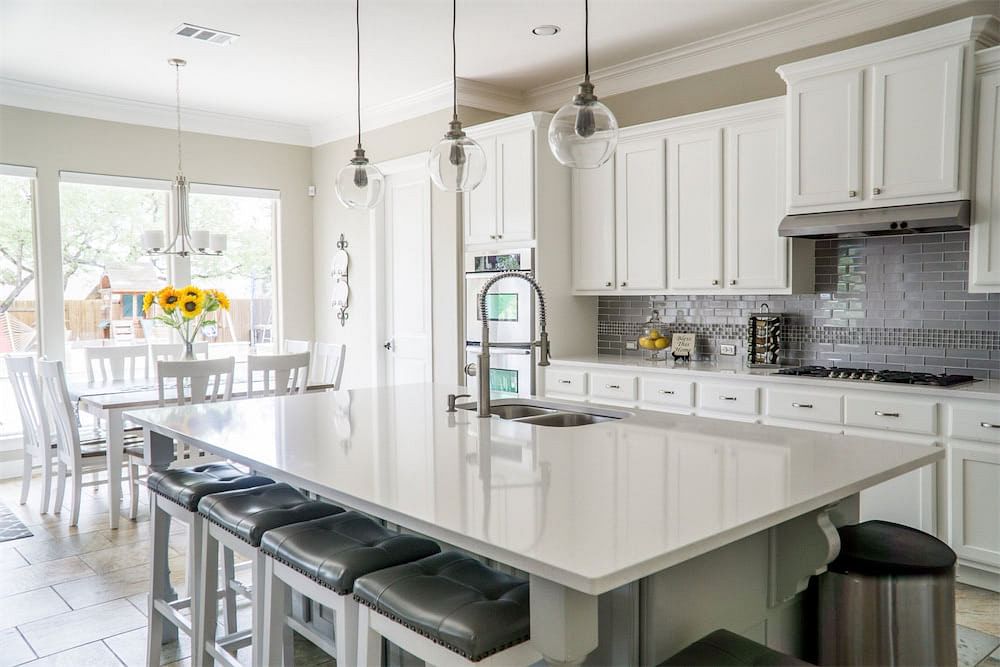
Quartz works well in kitchens where easy cleaning and visual consistency are top priorities. It is particularly useful in modern spaces, large kitchens, and homes where a predictable countertop pattern is preferred.

Bathroom Countertops

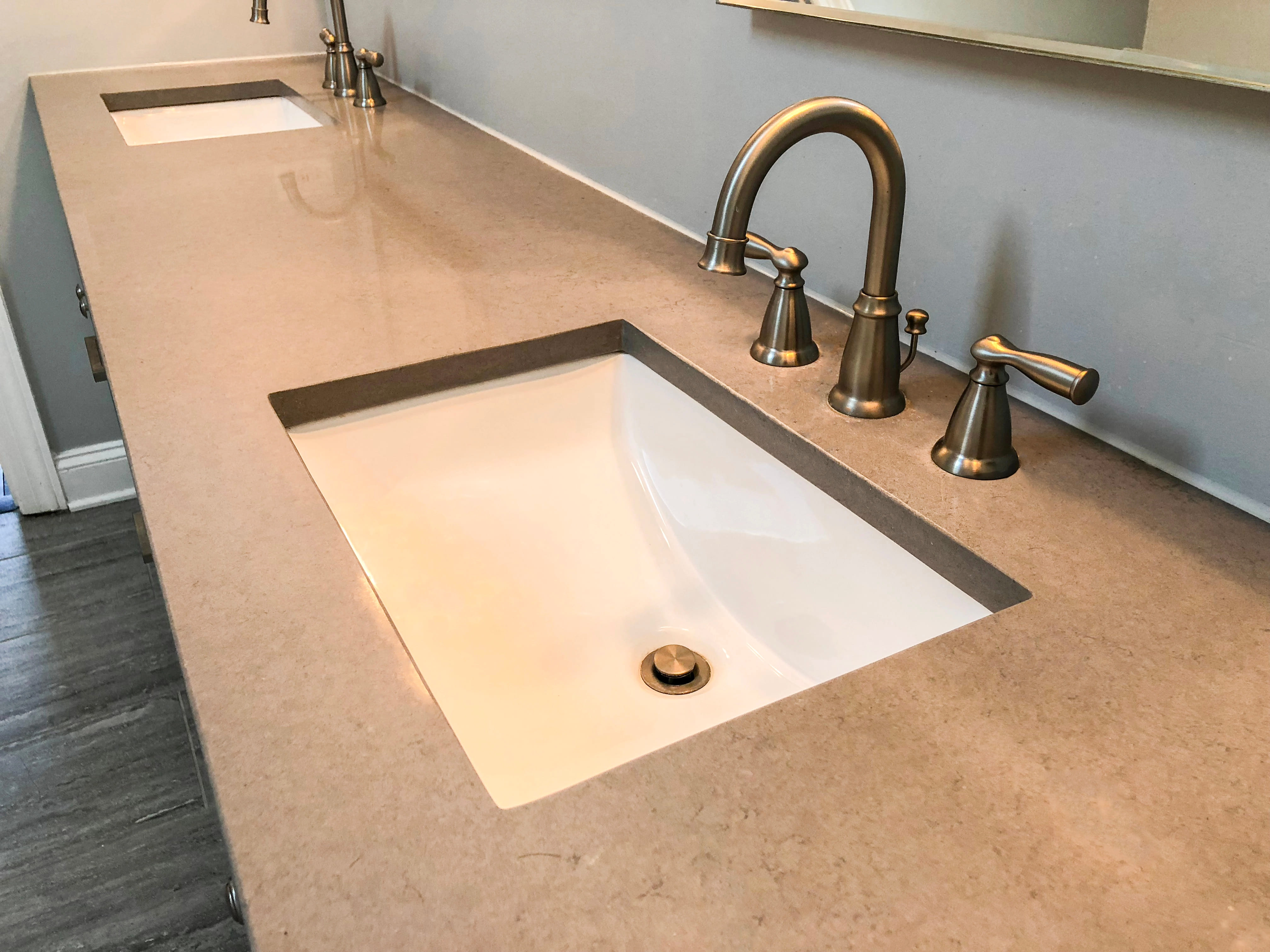
Quartz is often selected for bathrooms because its nonporous surface handles moisture well and does not require regular sealing. It can provide a clean, uniform appearance across vanities, shower ledges, and matching surfaces.

Granite can also be used successfully in bathrooms, provided that it is sealed and maintained correctly. Its natural color variation can add warmth and visual interest to a bathroom that might otherwise feel plain.

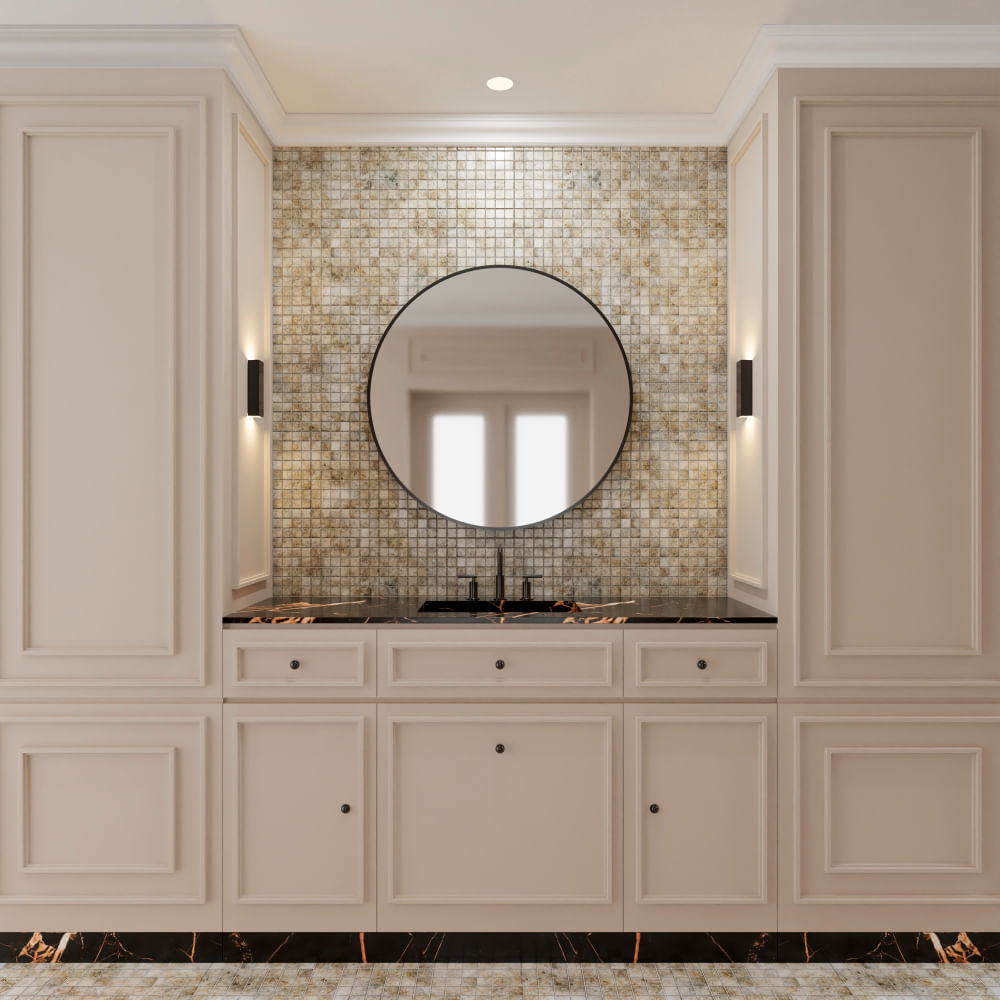
Custom bathroom vanity with light cabinetry and mosaic tile backsplash from The Stone Gallery
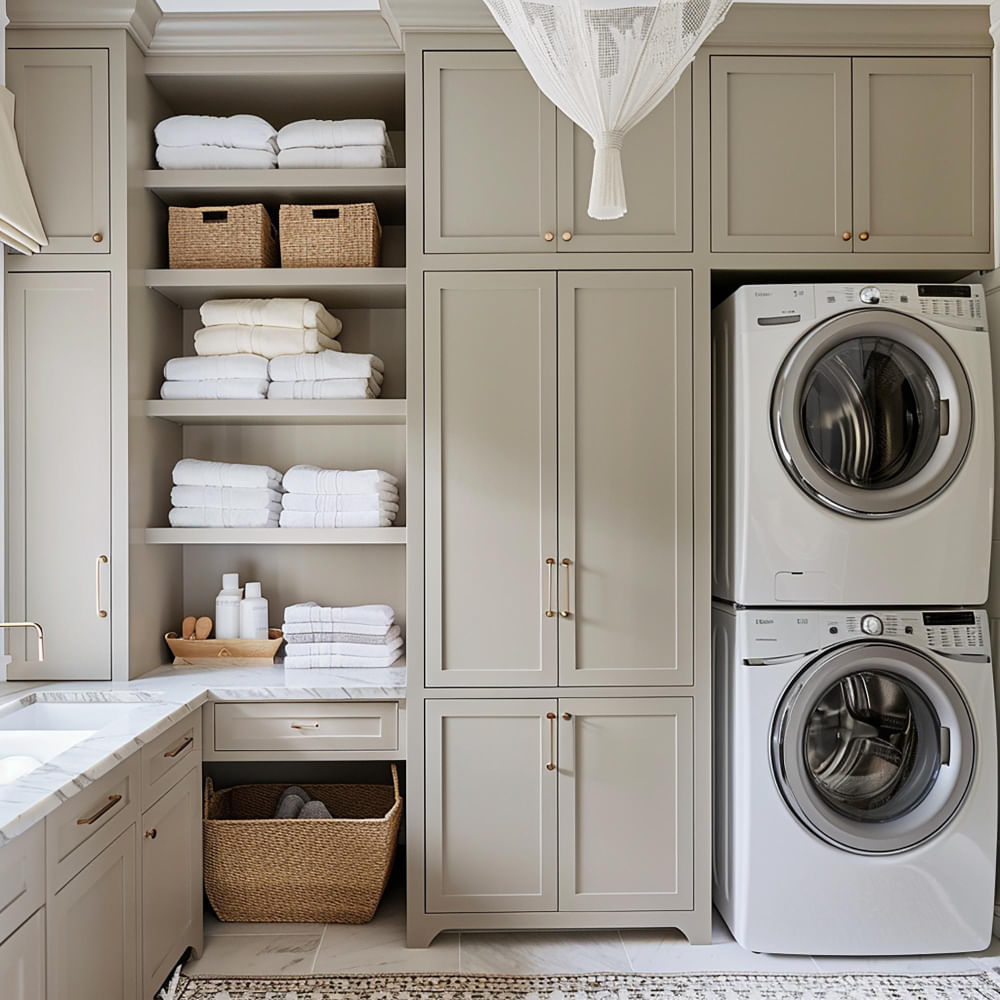
Built-in laundry room cabinets and open shelving providing organized storage and appliance integration

High-Traffic Homes

Quartz is a practical choice for families, rental properties, and high-traffic households because it requires little ongoing maintenance. Its stain resistance can be especially beneficial in homes with children or frequent guests.

Granite is similarly durable, but homeowners must be willing to monitor the sealer and clean spills promptly. For people who prefer the beauty of natural stone, that additional maintenance may be a reasonable trade-off.

Granite and Quartz Pros and Cons

Granite Countertops

Pros

  • Made from natural stone
  • Each slab has a unique pattern
  • Excellent heat resistance
  • Strong resistance to scratches
  • Available in many natural colors
  • Can last for decades with proper care

Cons

  • Usually requires periodic sealing
  • Natural variation can make matching slabs difficult
  • Some colors and patterns can be expensive
  • Porous areas may stain when not properly sealed

Quartz Countertops

Pros

  • Does not typically require sealing
  • Resistant to moisture and stains
  • Available in consistent colors and patterns
  • Easy to clean and maintain
  • Can imitate marble and other natural stones
  • Well suited to busy households

Cons

  • More vulnerable to heat damage
  • May fade with prolonged sunlight exposure
  • Does not have the completely unique appearance of natural stone
  • Premium designs can be expensive

Which Countertop Material Should You Choose?

When to Choose 
Granite

Choose granite when you value natural beauty, unique patterns, and strong heat resistance. It may be the better option for homeowners who want each slab to have its own character and do not mind completing occasional sealing and maintenance.

When to Choose
Quartz

Choose quartz when low maintenance, stain resistance, and design consistency are more important. It is particularly useful for busy households, contemporary interiors, and homeowners who want a wide range of predictable colors and patterns.

Making the 
Choice

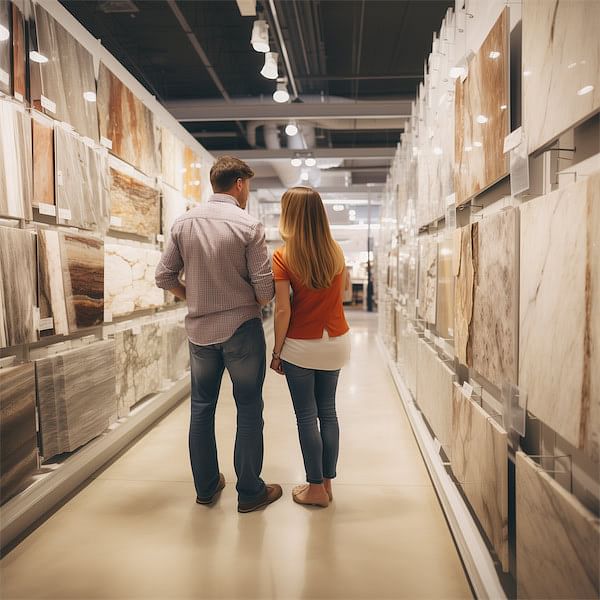
The right choice ultimately depends on how you use the room and what you want the finished space to look like. Seeing full slabs in person can also make the decision easier because small samples do not always reveal the complete pattern, movement, or color variation of the material.

Explore Granite and Quartz Countertops

Compare granite and quartz slabs in person to see how each material works with your cabinets, flooring, backsplash, and overall design. Our team can explain the differences between available products, discuss fabrication and installation options, and help you choose a countertop that fits your home and lifestyle.

Explore our granite and quartz selection or book a countertop consultation to begin planning your project.

More Than Just Stone & Cabinetry

Tile For Every Use

The Stone Gallery is more than just natural stone and cabinetry; we also offer a full array of marble tiles and mosaics. We carry many options from travertine to porcelain, glass, ceramics, cement and terracotta, waterjet tiles, and decor for any custom marble tile project. We carry  dozens of tile options, come see these in person!

Find Out More

Protect Your Investment

Natural stones used for counter tops or bathroom walls and floors create an air of luxury in & around your home or business place. Cleaning natural stone is important for maintaining the appearance and longevity of the stone. We carry a whole line of stone care and cleaning products created specifically for the care and maintenance of natural stone.

Find Out More

Request a Countertop Installation Consultation

Ready to upgrade your space with professionally installed countertops? Request a consultation with The Stone Gallery today to review your project, explore available materials, and take the next step toward a finished surface that fits your home beautifully.